Designing Schools: What RIBA Says — and Why Rubber Flooring May Fit the Bill as The Best Flooring
A look at school design, RIBA guidance and the best flooring for education schemes
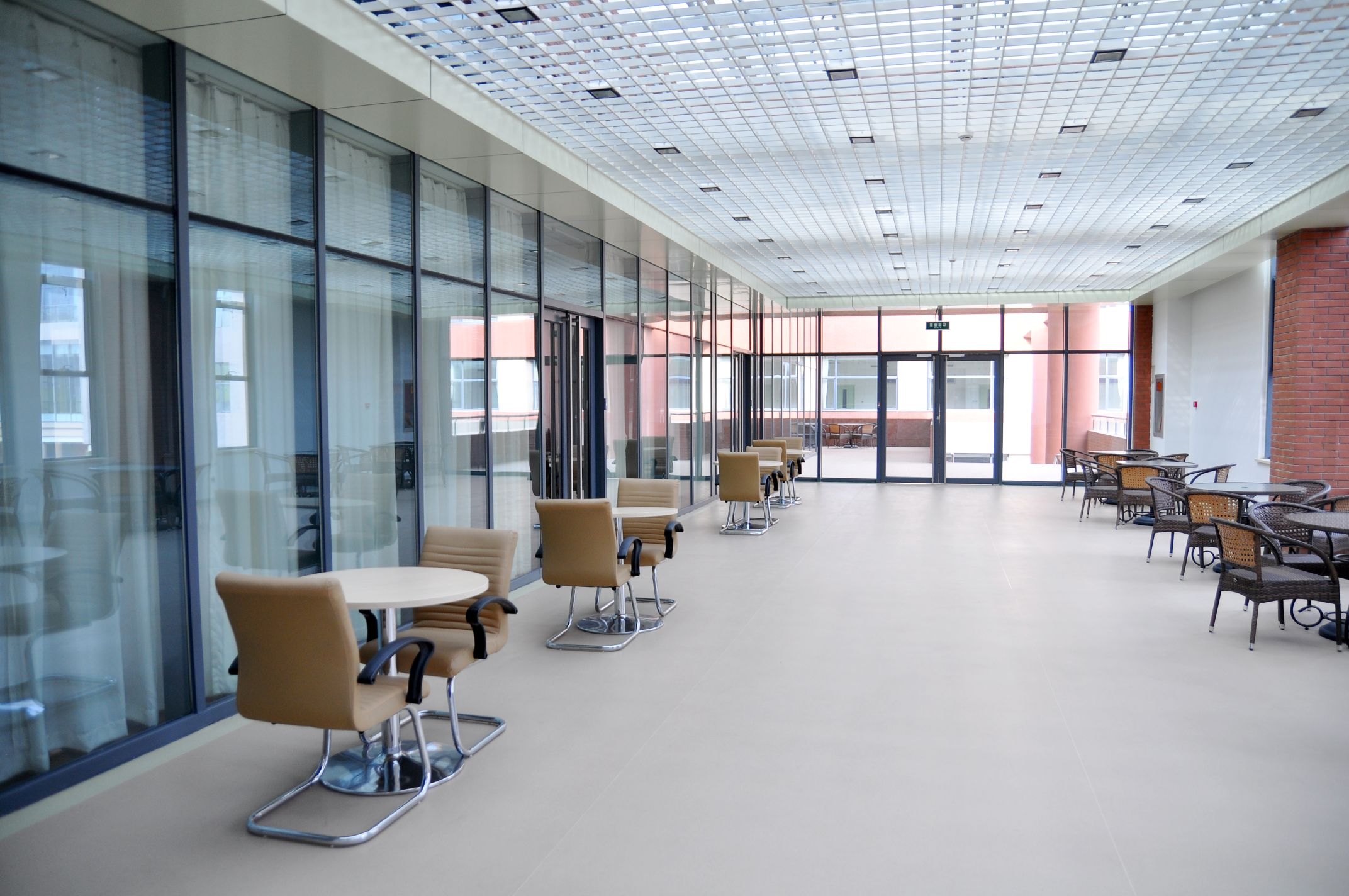
The RIBA Journal makes one thing clear: the design of a school isn’t neutral. It is now more accepted that a building can directly shape learning, well-being and behaviour. RIBA identifies daylight, acoustic comfort, air quality, flexibility, and durability as critical design priorities — yet we are told that many school projects still fall short due to cost ceilings, procurement challenges and standardised templates that reduce design to compliance rather than allow the expression of creativity.
According to RIBA, effective school design should engage teachers and pupils early, provide clear and legible circulation, connect interiors to outdoor spaces and use simple, maintainable systems. It should also anticipate change — educational methods evolve, and buildings should be able to adapt. Yet, as RIBA suggests, too many schools are delivered to the minimum output specification, with finishes and materials that fail under the daily stress of heavy use.
This is where resilient materials matter. Rubber flooring aligns with several of RIBA’s benchmarks for “better learning environments.” Its dense, non-porous composition helps achieve good indoor air quality by avoiding dust and VOC emissions. Its natural acoustic dampening supports RIBA’s call for quieter, calmer classrooms. Thermal comfort is also improved as rubber holds temperature well underfoot and its elasticity absorbs impact, reducing fatigue for staff and pupils.
From a maintenance perspective, rubber flooring’s durability means fewer replacements and lower life-cycle costs — addressing RIBA’s wider emphasis on long-term value over short-term savings. Modern rubber tiles and sheets (like those from Artigo Rubber) also integrate with sustainable design standards, carrying Environmental Product Declarations and other credentials aligned with pioneering sustainability goals.
Designing schools that are not just cost-efficient but human-centred, adaptable and enduring is now key. Flooring might seem minor in the architectural equation, yet it literally touches every step of the user experience. Choosing a resilient, low-maintenance and acoustically sound surface like rubber isn’t just practical — it’s a design decision that quietly supports the quality of the space itself.